Do Small Businesses Really Need a Graphic Designer?
It’s a question I get asked a lot, usually early on in a conversation and often with a bit of hesitation behind it. “Do I actually need a graphic designer, or can I just do it myself?” And honestly, it’s a completely fair thing to ask. When you’re running a small business, every pound matters. You’re managing stock, customers, marketing, admin, and everything else that comes with it. Design can easily feel like an extra expense rather than something essential.
The honest answer is that not every small business needs a graphic designer from day one. In the very early stages, getting something out there quickly is often more important than getting it perfect. If you’re testing an idea, running a side hustle, or simply trying to get off the ground with a limited budget, doing some of the design work yourself can make sense. Ready-made templates exist for a reason, and they can be useful as a short-term solution.
Where things start to go wrong is when “temporary” design quietly becomes permanent. As a business grows, DIY design often begins to show its cracks. Logos don’t scale properly, fonts change from one platform to another, colours look different depending on where they’re used, and social media posts feel disconnected from the website. None of these issues seem disastrous on their own, but together they create something far more damaging: doubt.
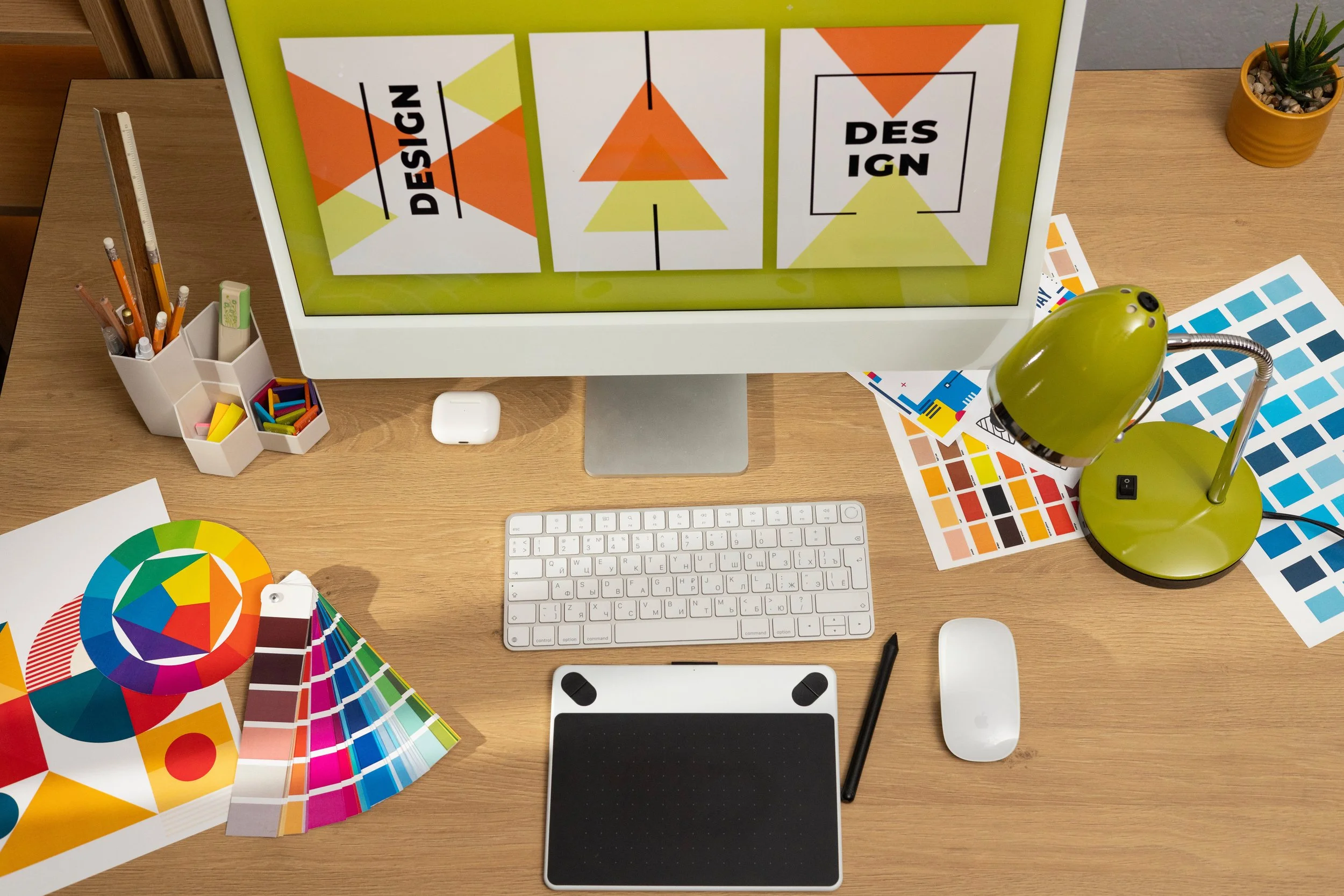
Consistent design is key when creating any brand.
Most customers will interact with your brand visually before they ever speak to you. Your website, social media, logo, or marketing materials are usually the first impression. If those visuals look rushed, inconsistent, or unprofessional, people subconsciously make assumptions about the business behind them. They may feel that the company is inexperienced, unreliable, or not worth the price being asked, even if the service or product itself is excellent. This isn’t about being flashy or over-designed. It’s about looking credible.
A professional graphic designer doesn’t just make things look nice. Their real value is in creating clarity. They help define how your business should look and feel, and they make sure that look is consistent everywhere it appears. Good design considers your target audience, not just personal taste, and it supports your message instead of distracting from it. It also saves you time. Instead of constantly tweaking visuals or second-guessing design decisions, you have something solid that works across the board.
One of the biggest costs of not hiring a designer is how quietly it affects your business. Poor design can lead to fewer enquiries, lower conversion rates, and customers choosing a competitor who simply looks more established. It often results in repeated redesigns, rebrands, and wasted time trying to “fix” things later. Money saved in the early stages can end up costing far more in the long run.
There’s usually a clear moment when a business is ready for professional design. It’s when you start taking growth seriously, when you want to attract better clients, when you’re raising your prices, or when you realise your visuals no longer represent the quality of what you offer. That’s often the point where DIY design starts to feel more like a limitation than a solution.
It’s also worth saying that hiring a graphic designer doesn’t mean doing everything at once. You don’t need a full rebrand, a complex website, and a complete marketing overhaul overnight. Many small businesses start with a proper logo or a simple brand identity, then build from there as they grow. That gradual approach is not only realistic, it’s how most successful brands actually develop.
So, do small businesses really need a graphic designer? Not necessarily on day one. But if you want to grow, stand out, and be taken seriously, professional design becomes less of a luxury and more of a necessity. Good design helps people trust you faster, and trust is what turns visitors into customers.
If you’re unsure what level of design your business actually needs, or you want honest advice rather than a hard sell, I’m always happy to have that conversation. Sometimes a few small changes can make a bigger difference than people expect.